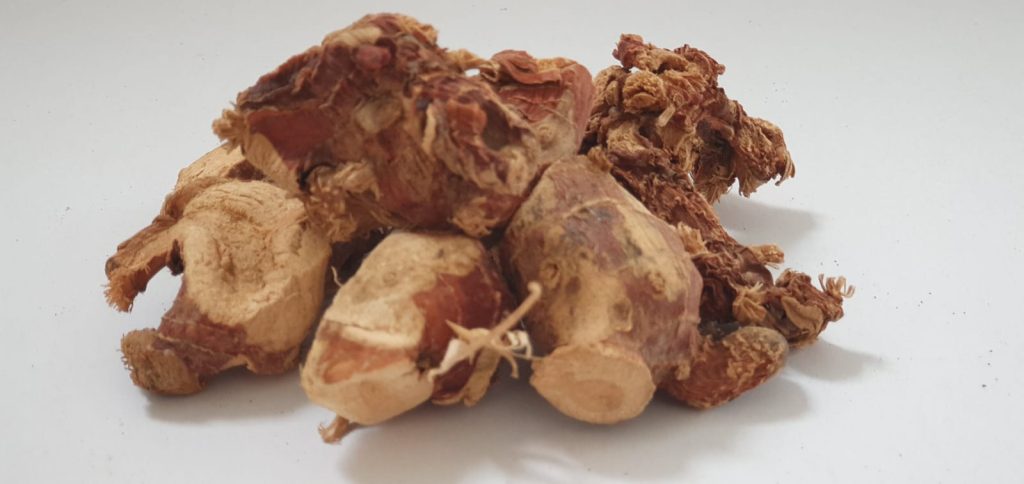
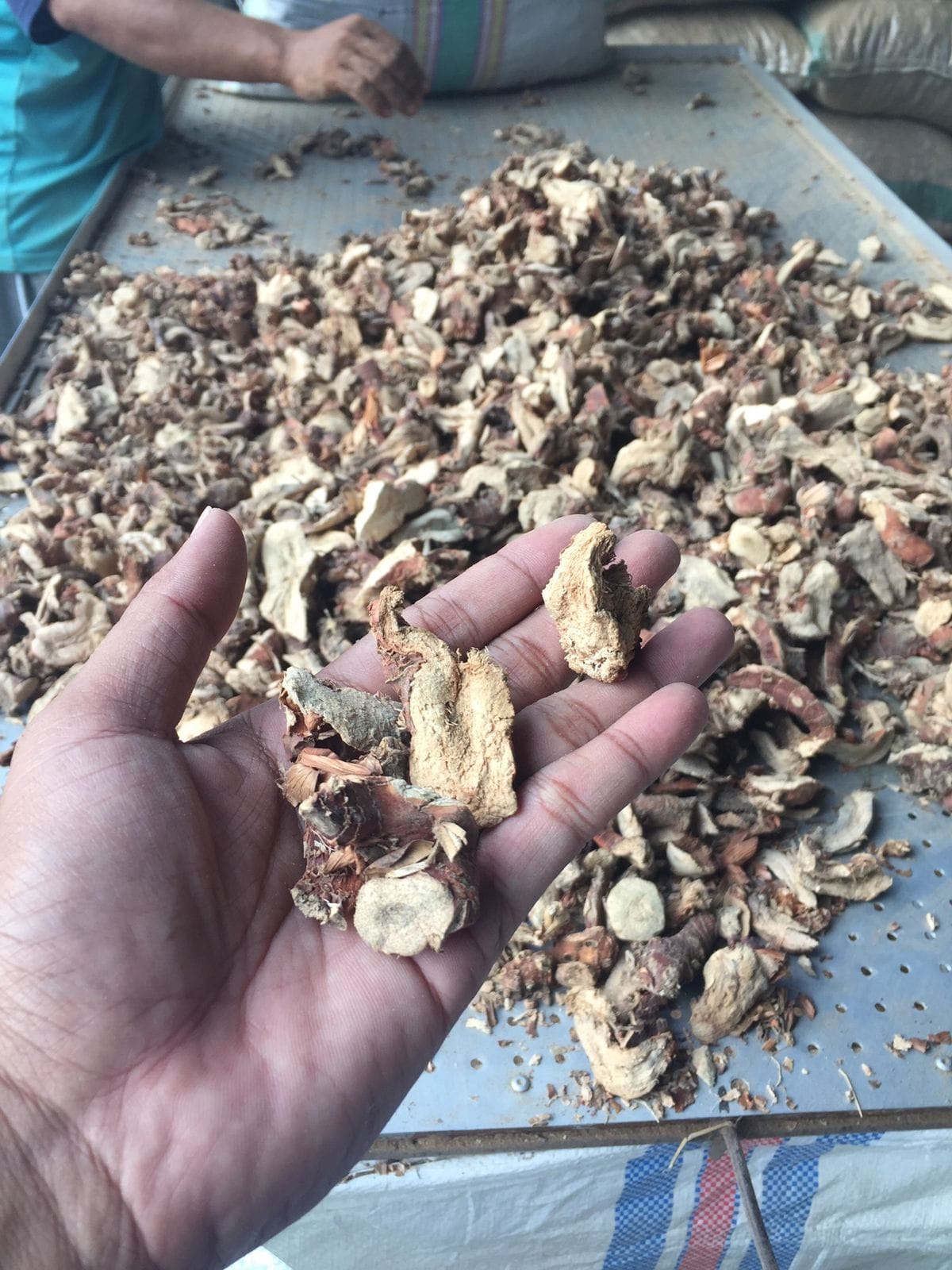
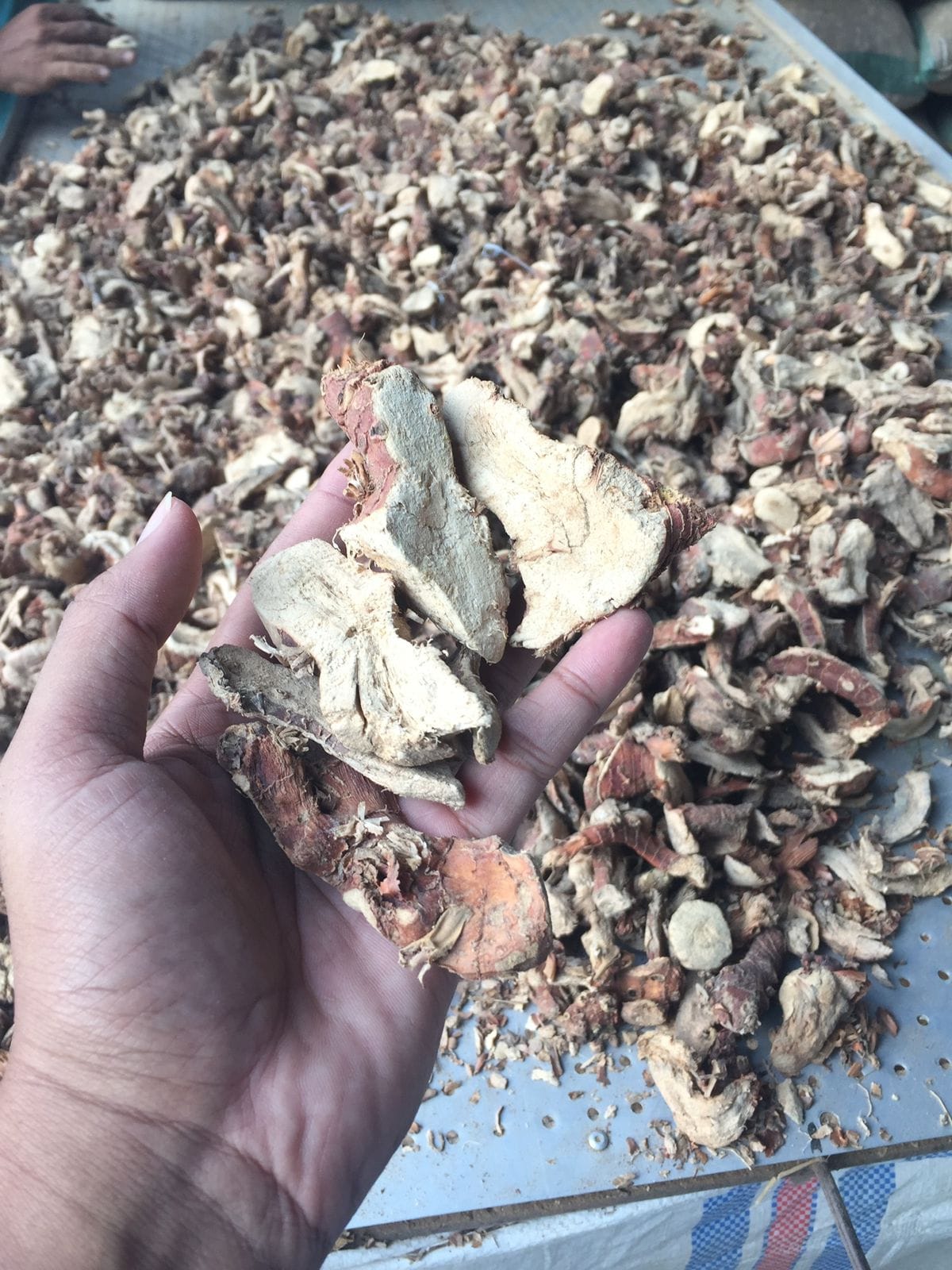
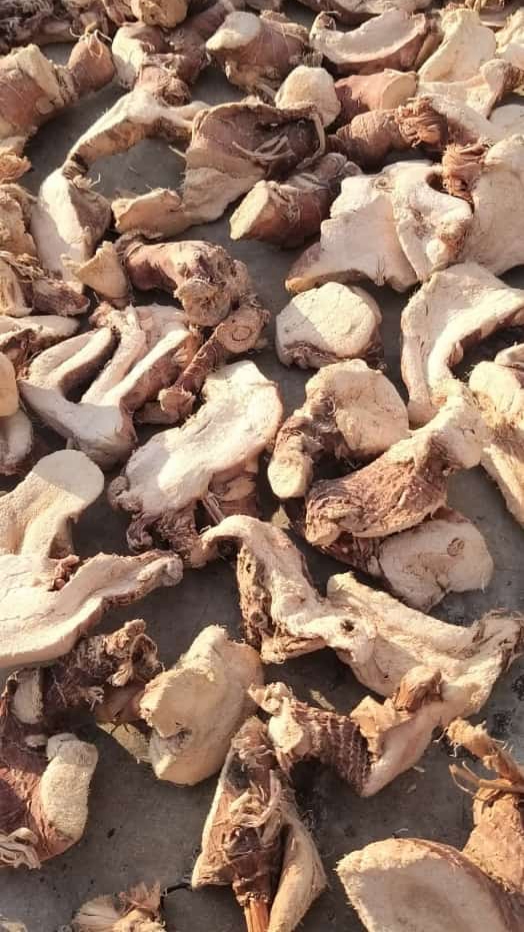
Galangal is a rhizome from the Zingiberaceae family, closely related to ginger, and is widely used in Southeast Asian cuisine, particularly in Thai, Indonesian, and Malaysian dishes. It has a firm texture with a distinct citrusy, pine-like flavor, sharper and more peppery than ginger. Galangal is commonly used to flavor soups, curries, and stir-fries, like the popular Thai Tom Yum soup. Beyond its culinary uses, it offers health benefits as a digestive aid, anti-inflammatory agent, and antioxidant. Its medicinal properties have been valued in traditional medicine for soothing digestion, improving circulation, and fighting infections.
Specification
CHARACTERISTICS
STANDARD SPECIFICATION
Color
Sepia in Peel and White-Yellow in core
Flavor
Spicy, Peppery, & Citrusy
Essential Oil
Min 1.5%
Moisture
Max 10%
Total Ash
Max 8%
Admixture
Max 3%
Foreign Matter
Max 1%
E.Coli
Negative
Packing
30 Kgs Nett, PP Bags
Benefit Uses
These uses highlight galangal’s versatility in both culinary and medicinal applications.
Flavoring Soups and Broths, Used in soups like Tom Yum and Tom Kha Gai for its peppery and citrusy flavor.
Curry Pastes and Marinades, A key ingredient in Southeast Asian curry pastes and marinades for meats, providing depth and complexity.
Herbal Tea, Boiled in water to make tea that aids digestion and provides anti-inflammatory benefits.
Stir-Fries, Adds a unique aroma and spiciness to stir-fried dishes with vegetables, chicken, or seafood.
Cold and Cough Relief, Used in home remedies, like teas or steam inhalation, to alleviate cold symptoms and soothe the throat.
Pickling, Often pickled and served as a condiment or side dish, enhancing meals with a tangy and slightly spicy kick.