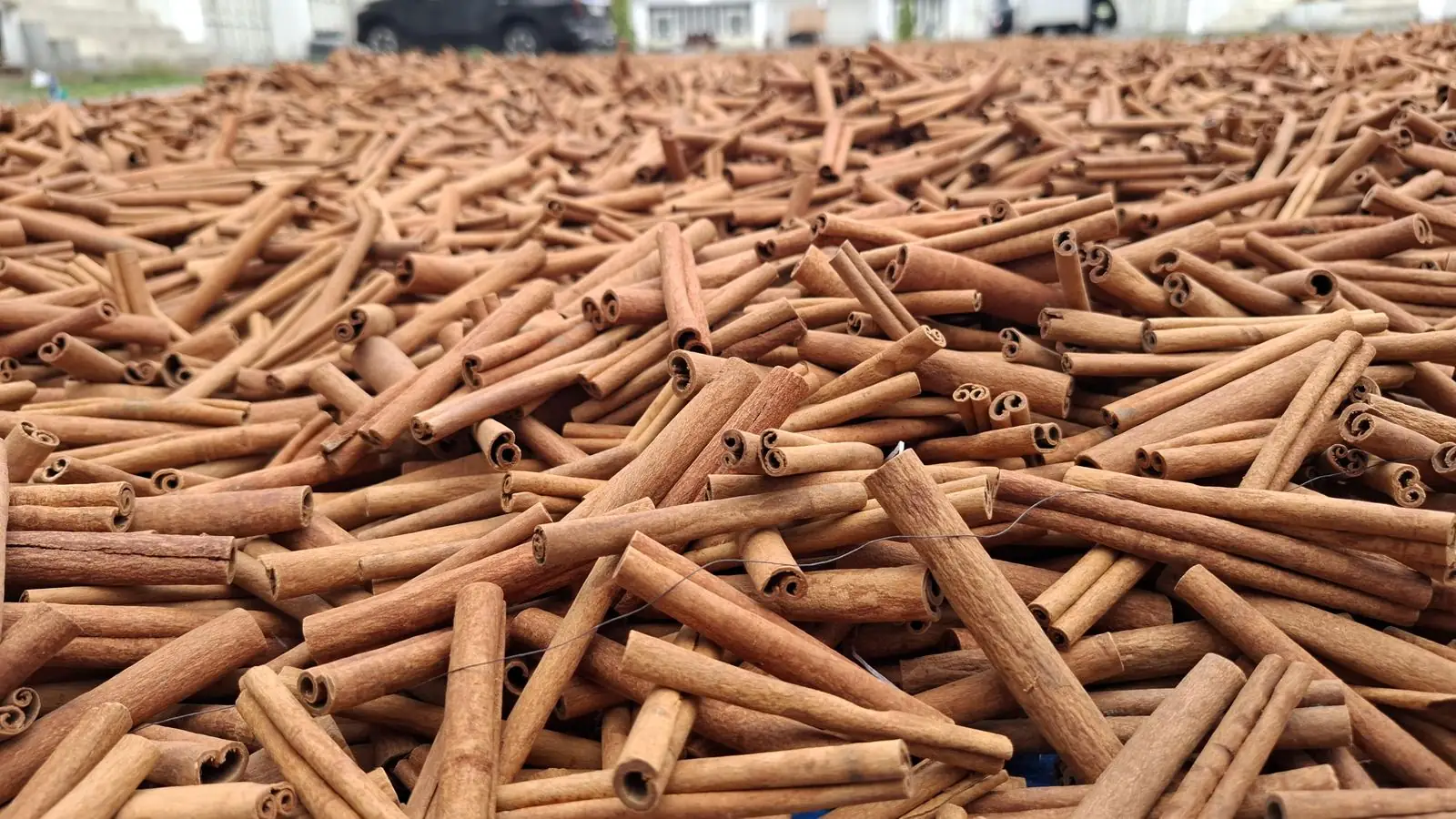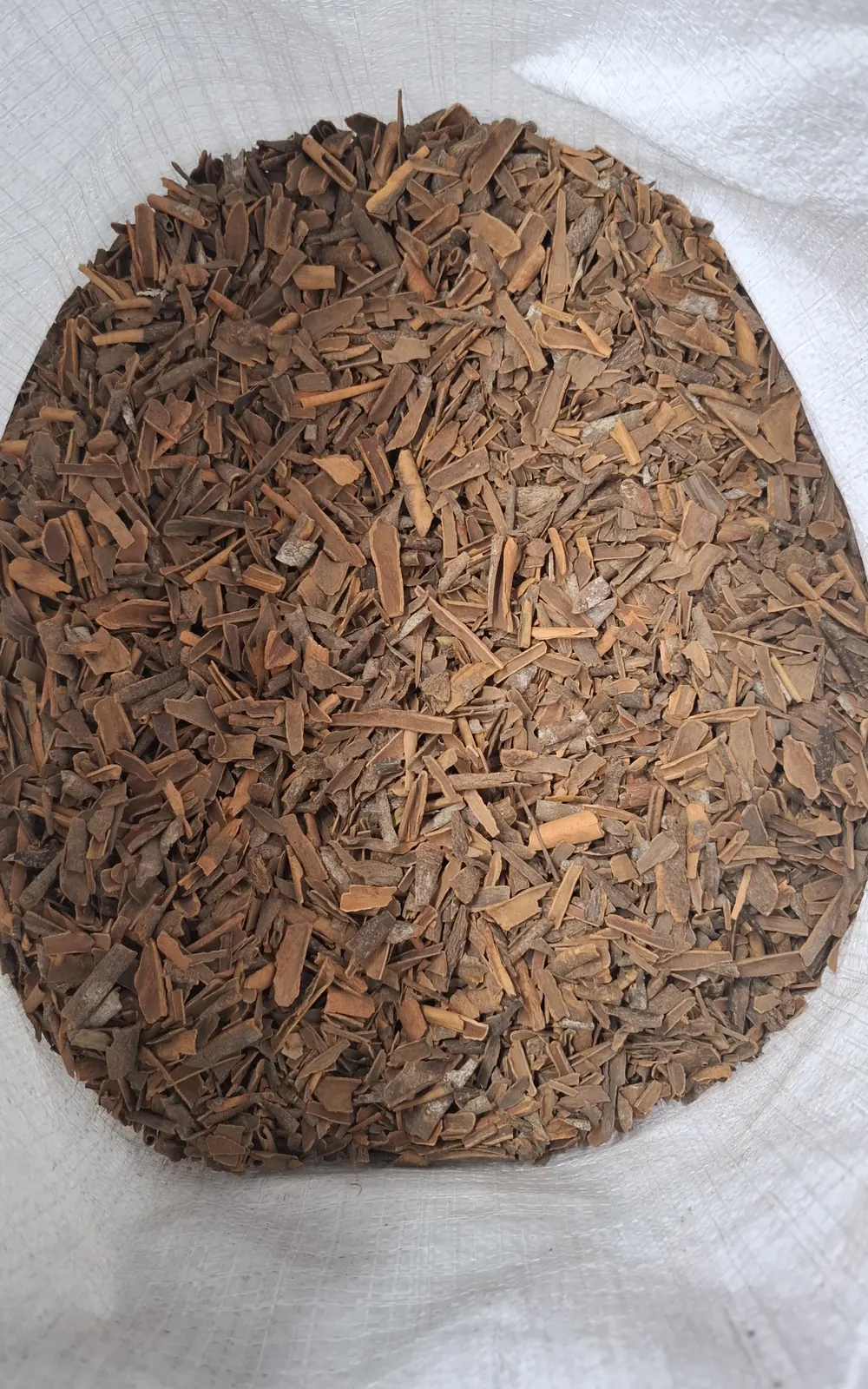

If we had to pick the most important number on a cassia spec sheet, we'd pick moisture content over grade or price. Bark that leaves our warehouse at 12% moisture looks the same as bark that leaves at 16%. Six weeks later, after a humid container has crossed the equator twice, the difference is easy to see.
Excess moisture lets mould take hold in transit. Mould is the most common reason a shipment gets rejected at destination, and it can almost always be prevented at origin. We test every incoming lot with a calibrated moisture meter instead of judging by eye, and anything above spec is rejected before it goes into inventory, let alone gets packed.
This matters more for cassia and cloves than for something like ground pepper, because whole bark and buds hold moisture unevenly. A batch can read fine on average and still have pockets that spoil. So we test each lot ourselves instead of relying on a supplier's blanket certificate issued months earlier.
If you're looking at a new supplier, ask whether they test moisture on every lot at intake or only once at the farm gate. The answer tells you a good deal about the risk you'd be taking on.