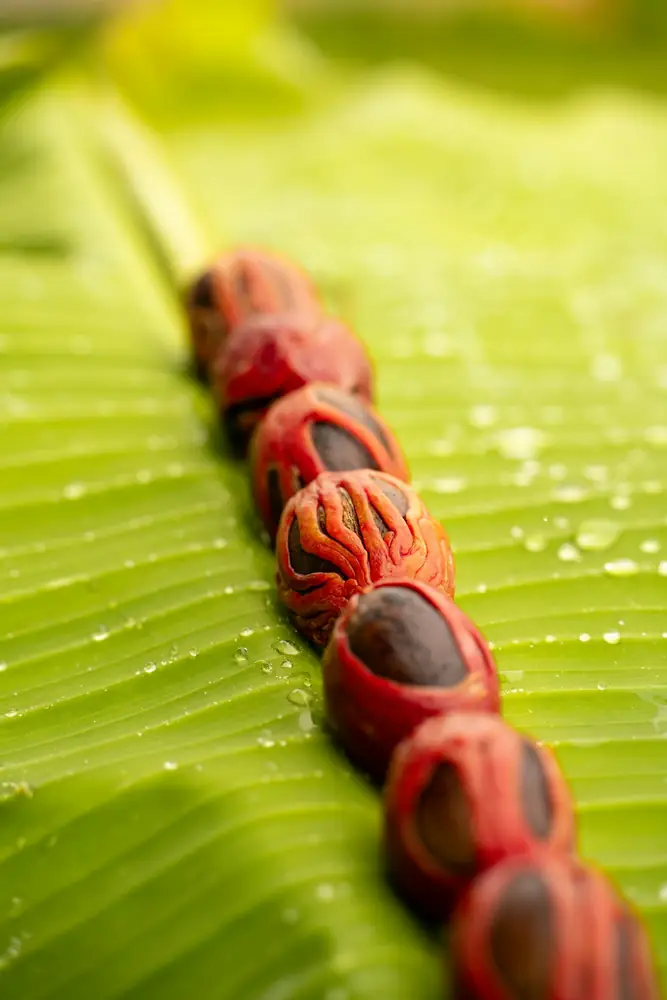
For most of European history, the Indonesian archipelago was the place spice traders were trying to reach. At the time, cloves and nutmeg grew on a handful of islands in Maluku and nowhere else on Earth. Pepper and camphor moved through Sumatran ports like Aceh, drawing Arab, Indian, Chinese and eventually European traders centuries before the Dutch East India Company (VOC) arrived in 1602 to try to monopolize the whole business.
The VOC's approach to Maluku was brutal and thorough: forced monopoly contracts, destroyed clove trees on islands it didn't control, and a trade system built entirely around controlling supply rather than growing it. Sumatra, further west, was harder to dominate completely. Aceh in particular kept real independence in the pepper trade for much of this period, dealing directly with European, Middle Eastern and Asian merchants on its own terms.
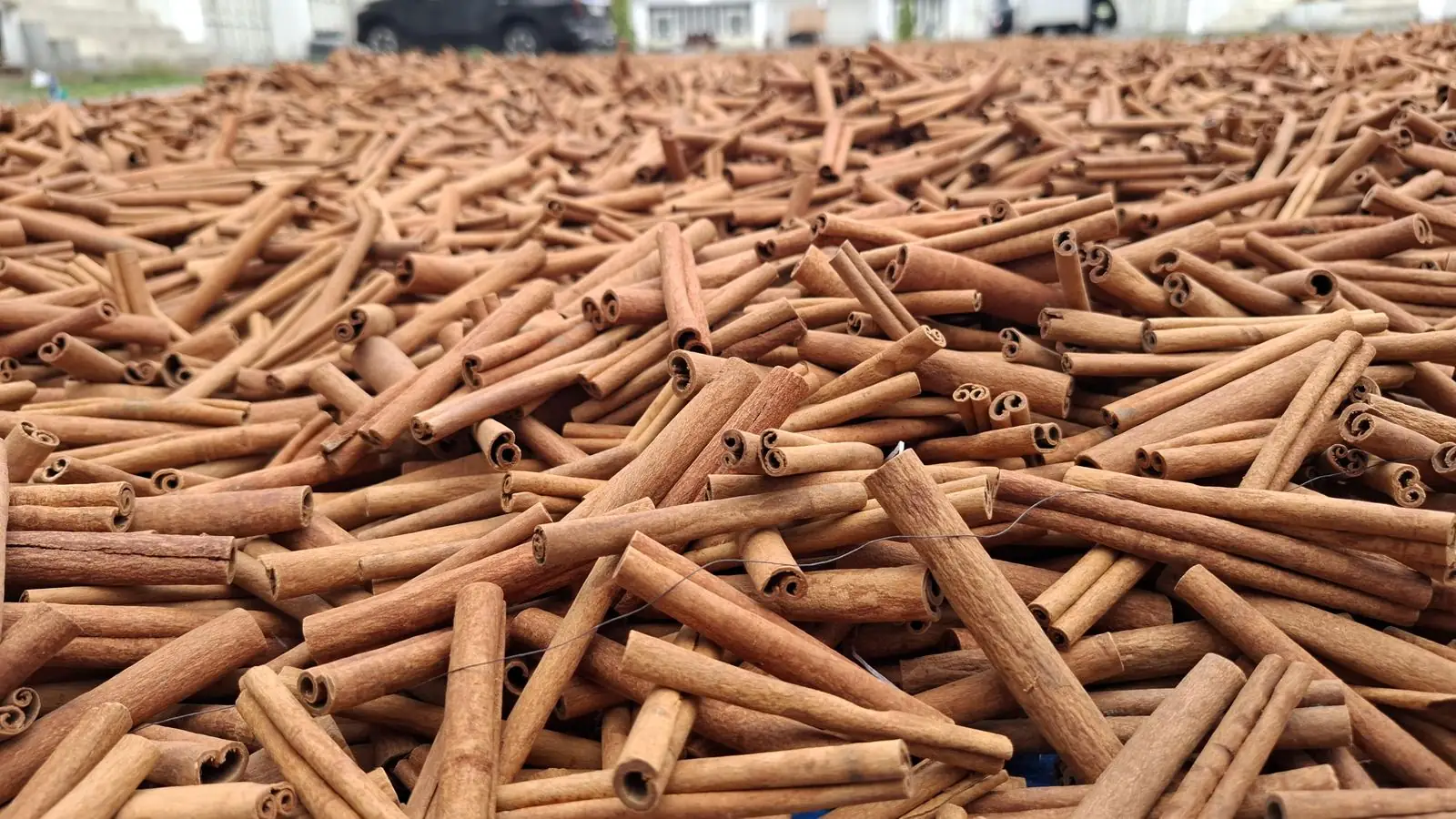
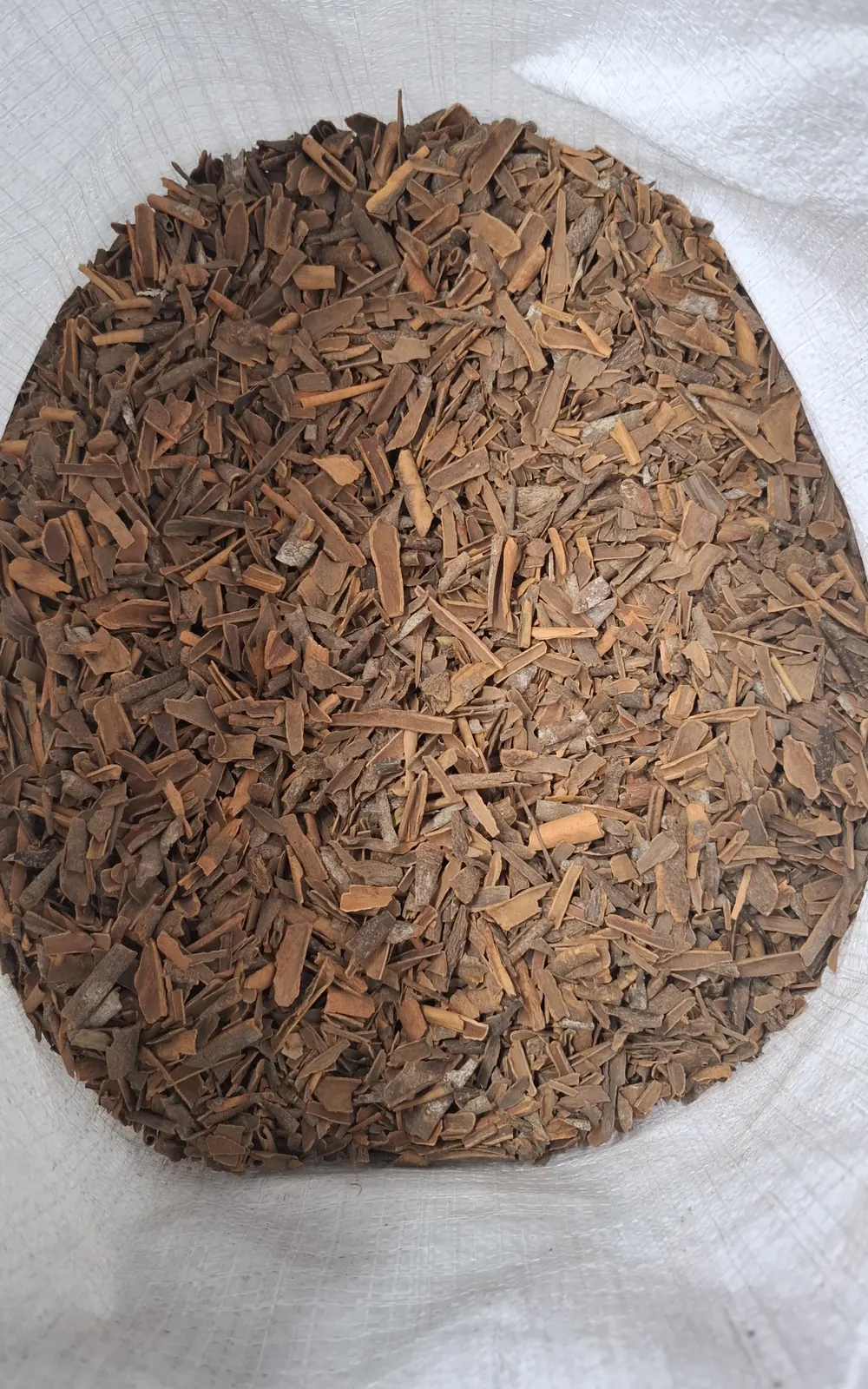
Cassia cinnamon wasn't something anyone fought over in the colonial era. The cinnamon Europeans fought over was Ceylon's "true" cinnamon, which the VOC and later the British were obsessed with. Indonesia became the world's dominant cassia producer later, in the 20th century, thanks to good growing conditions in places like Kerinci and not to colonial plantation systems.
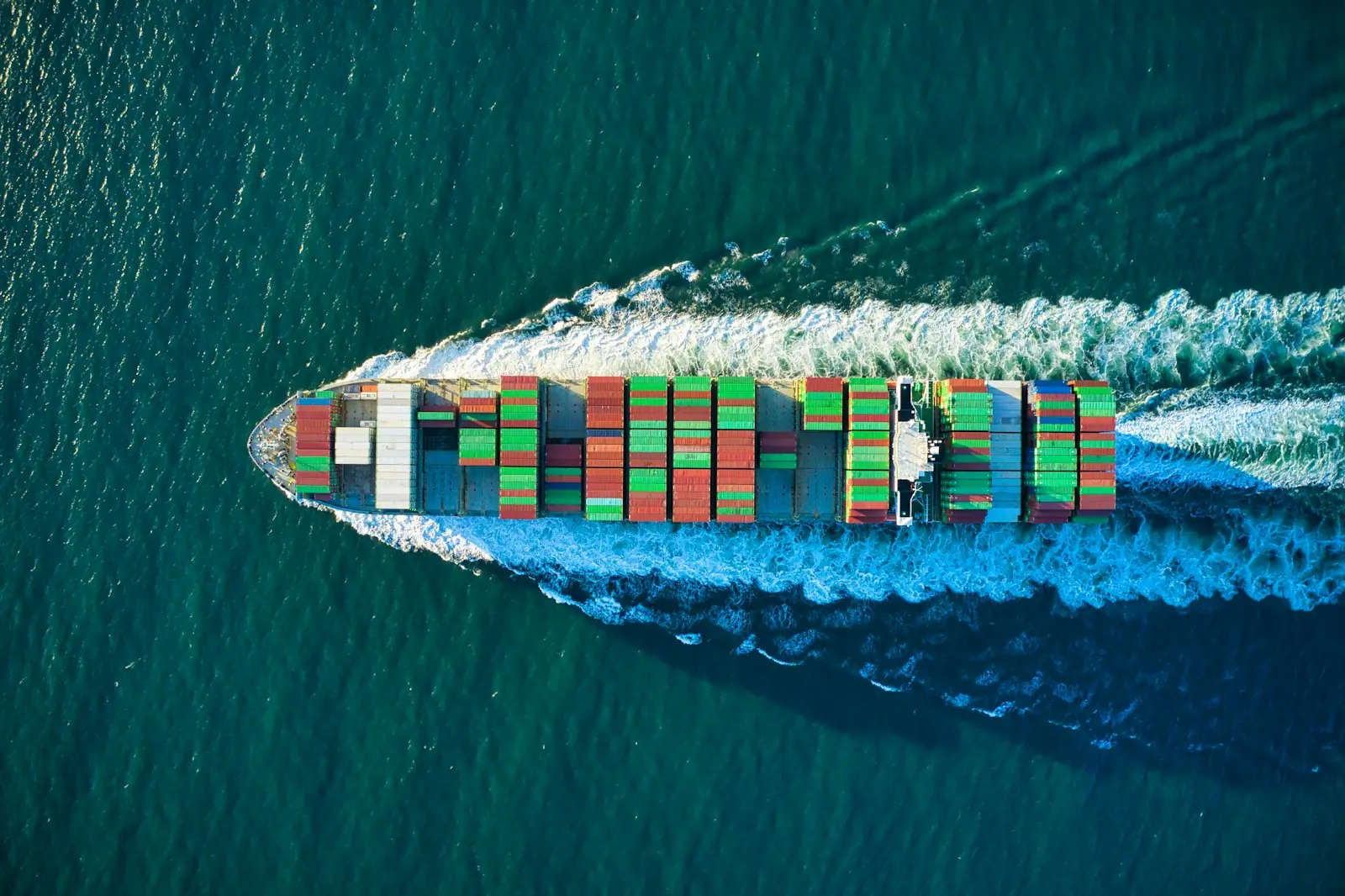
We don't claim a four-century lineage for our company. What goes back four centuries is this coastline sending valuable plants to the rest of the world, under very different systems over the years. We're a small, modern family exporter carrying on that trade with proper quality control, for the same basic reason as everyone before us: this part of the world grows spice that won't grow anywhere else.